
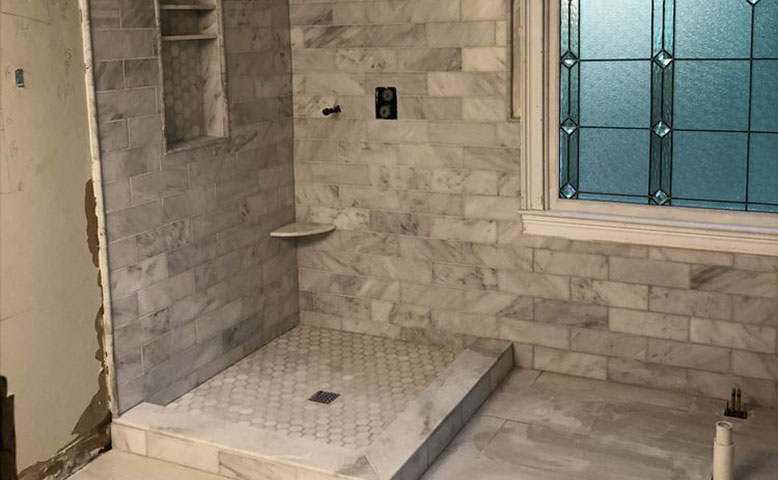
Renovating a bathroom looks simple on paper. You pick tile, a new vanity, maybe a better shower, and you picture calm mornings. Then the project starts, and life feels different. There is noise, dust, and people walking through your hallway with tools. If you have kids or pets, it can feel like your home has turned into a small job site overnight.
A family bathroom remodel is not only about style. When you know what to watch for, you cut down on stress, accidents, and surprises. Each tip aims to protect someone you love, keep your schedule moving, and help you enjoy that new bathroom once the dust is gone.
1. Start With a Safety Chat, Not a Sledgehammer
Before anyone pulls off tile, start with a talk. This first step sounds small, but it shapes the whole project. Sit at the kitchen table with your partner, family members, and, if possible, your contractor. Then walk through what is about to happen.
Talk about:
- Who lives in the home, including pets and older adults
- Which bathroom are you updating, and who uses it most
- Times of day when noise or mess will hurt your routine
This is also a good time to set house rules. For example, kids do not cross a certain line, and no one moves tools except the workers.
“Good safety starts with clear words, not with more rules.”
When everyone hears the same plan, you cut down on fear and confusion. You also show your kids that this project is for them, not just something happening around them.
2. Set Clear Boundaries for Kids and Pets
Kids and pets see a remodel as an adventure. However, tools, cords, and loose tiles are not toys. So you need clear, simple limits. Instead of saying, “Be careful,” give them something they can follow.
You might:
- Use baby gates or temporary doors to block the hallway
- Put bright tape on the floor to mark the “do not cross” line
- Keep pets in a quiet room with food, water, and a favorite blanket
Explain why the rule matters in plain words. You could say, “There are sharp things in there. We keep our bodies safe by staying on this side.” Kids respond better when they know the “why,” not just the “no.”
When you manage the space this way, you protect small hands and paws. You also help workers focus, which reduces mistakes and keeps everyone safer.
3. Choose Safer Floors, Fixtures, and Finishes
Looks matter, but safety stays with your family every single day. Many home injuries happen in the bathroom, often from slips on wet floors. While you plan your family bathroom remodel, think about how each choice will feel on a busy school morning or a late-night trip.
Here is a simple table to guide your picks:
| Item | Safer Option | Why It Helps Families |
| Flooring | Textured or slip-resistant tile | Gives a better grip when floors get wet |
| Shower area | Base with built-in non-slip surface | Reduces falls for kids and older adults |
| Fixtures | Rounded edges on sinks and counters | Lowers injury risk during bumps or stumbles |
| Lighting | Bright, even overhead and mirror lights | Makes water, clutter, and spills easier to see |
Also, ask for low-VOC paints and sealers. These release fewer fumes and are easier on the lungs, especially for kids and people with asthma.
When you choose safer materials now, you protect your family for years, long after the last worker leaves.
4. Keep Dust, Fumes, and Noise Under Control
Bathroom renovation safety is not just about falling or tripping. Dust, fumes, and noise can wear down your family day after day. Fine dust can bother the eyes and lungs. Strong smells can cause headaches. Loud tools can upset pets and disturb sleep.
You can lower those problems by asking workers to:
- Seal the work area with plastic sheets or zipper doors
- Use vacuums with filters when they cut or sand
- Open windows when possible to move fresh air through
You can also place an air purifier in the nearby hallway and change its filter more often during the project.
“If the air feels cleaner, the whole project feels kinder.”
Noise counts as well. Once you know when saws and drills will run, plan naps, homework, and calls at quieter times. This simple step keeps stress lower and helps your home feel like your home, even during the mess.
5. Treat Electricity and Water With Extra Respect
Electricity and water share a very small room in your house. During a remodel, that room may be open, with wires and pipes exposed. So you need to treat both systems with serious care.
Check outlets and wiring.
First, ask a licensed electrician to inspect bathroom wiring. Make sure you have GFCI outlets. These special outlets shut off quickly when they sense trouble. They are designed for wet spaces and help prevent shocks.
Know your shutoff valves.
Next, find the bathroom shutoff valves and the main water shutoff. Show every adult in the home how to close them. If a pipe is hit or a fitting fails, you can stop the water fast and limit damage.
When you respect water and electricity this way, you protect your family from shocks, leaks, and major repair bills. You also feel calmer each time someone plugs in a tool or turns a wrench.
6. Work Only With People Who Respect Safety
Even handy families often hire help for parts of a bathroom project. The people you invite into your home affect safety every day. A good worker thinks about children, pets, and your schedule—not only the tile pattern. Listen to how they answer. Do they rush past safety questions, or do they give clear, calm details? That tone tells you a lot.
What This Bathroom Project Can Mean for Your Family
Bathroom renovation safety tips for families are more than a checklist. They are a series of small, daily choices that protect the people you care about most while the house feels upside down. Maybe it is putting up a gate before work starts. Maybe it is adding grab bars to the design. Maybe it is speaking with Colin’s Flooring & Renovations about how we handle safety in busy family homes. Whatever you choose first, each thoughtful step turns this project into more than a new tile. It becomes a chance to build a bathroom—and a process—that feels safer, calmer, and kinder for everyone who shares your home.
Top of Form

